
The Secret to a Lasting Retaining Wall: Compaction and Backfill
If you are dealing with a steep slope in your backyard or trying to stop severe erosion, a well-built retaining wall is often the best solution. Many homeowners in Florissant and the surrounding areas love the look of a beautifully stacked wall, but they rarely think about what goes on behind it. The truth is, the aesthetic face of the wall is only a small part of the equation. What truly dictates the lifespan and safety of the structure is the engineering behind it—specifically, the backfill and compaction.
At Bri-Co Construction, we frequently get questions from homeowners who are nervous about safety, especially when they have young children playing near aging or leaning structures. When we design and build retaining walls, our primary focus is on ensuring they are safe, effective for the long term, and naturally integrated into your landscape. Achieving this requires a deep understanding of soil mechanics and proper construction techniques.
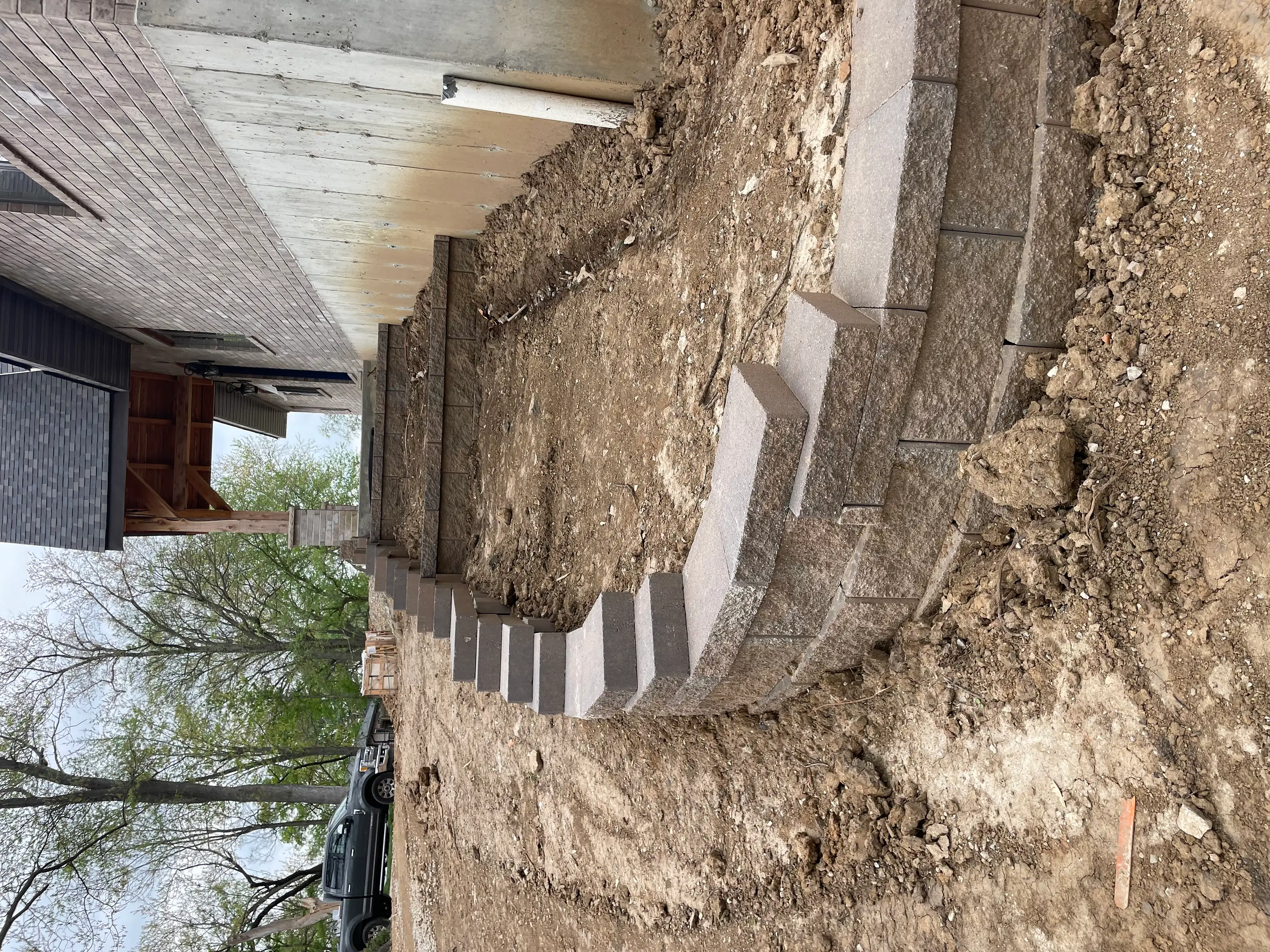
Why What is Behind the Wall Matters
One of the most common reasons retaining walls fail is poor drainage and inadequate backfill. Missouri's harsh winters bring intense freeze-thaw cycles. If water gets trapped in the soil directly behind a wall, it freezes, expands, and exerts massive pressure on the blocks. Over time, this causes the wall to bulge, lean, and eventually collapse.
To combat this, we use high-quality granular backfill material for slope stabilization. This usually consists of clean, crushed stone placed directly behind the wall. Unlike native clay soils that hold onto moisture, granular backfill allows water to drain quickly down to a perforated drainage pipe at the base of the wall, safely directing water away from the structure. This essential drainage step is a key factor in preventing retaining wall settlement and shifting over the years.
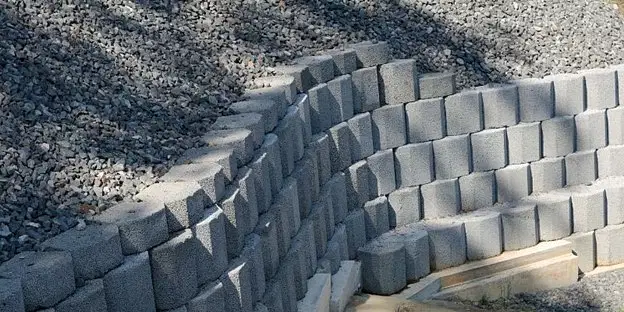
Structural Stability and Compaction
Even with the right materials, how they are placed makes all the difference. Achieving proper soil compaction behind retaining wall structures is critical. If the soil and stone are just loosely dumped behind the wall, they will naturally settle over time. This settling can create sinkholes in your yard and put uneven pressure on the wall.
Our team meticulously compacts the backfill in shallow intervals—usually every few inches—using professional tamping equipment. This ensures a dense, stable foundation that won't shift. Furthermore, if your yard requires a wall over a certain height to manage a steep grade, standard blocks and backfill aren't enough. In these cases, we install geogrid reinforcement for tall retaining walls. Geogrid is a strong synthetic mesh that gets sandwiched between the wall layers and extends back into the compacted soil. This ties the wall and the soil together into one unified, unmoving mass.
Properly integrating these walls often requires comprehensive grading services to ensure the surrounding landscape naturally directs surface water away from the wall face, protecting your investment.
Protecting Your Property in North County
Building a structural retaining wall is not a simple weekend project; it requires licensed, insured professionals who understand local soil conditions, permitting requirements, and proper construction techniques. A properly built wall shouldn't just look great—it should give you peace of mind during heavy spring rains and freezing winter nights.
Whether you need to replace a failing timber wall or want to reclaim usable space in a sloped backyard, Bri-Co Construction is here to help. We provide transparent estimates, comprehensive warranties on our work, and clear communication from start to finish. If you are ready to secure your landscape, contact us today to schedule a consultation.