
The Foundation of a Lasting Slab: Subgrade Preparation and Grading
When investing in a new concrete driveway, patio, or foundation, it is easy to focus entirely on the finished product. The smooth, brushed surface of a brand-new driveway looks fantastic, but the true strength of that concrete lies beneath the surface. In regions like West County and the greater St. Louis area, our distinct seasons bring a mix of heavy spring rains and freezing winter temperatures. These environmental factors make what happens before the concrete is even poured the most critical phase of the project.
At Bri-Co Construction, we embrace the classic Show-Me state attitude: we believe in proving our quality through transparent processes and durable results. One of the most common reasons concrete cracks, sinks, or fails prematurely is poor preparation of the ground beneath it. By taking the time to understand the importance of subgrade preparation and proper grading, you can ensure your investment stands the test of time and weather.
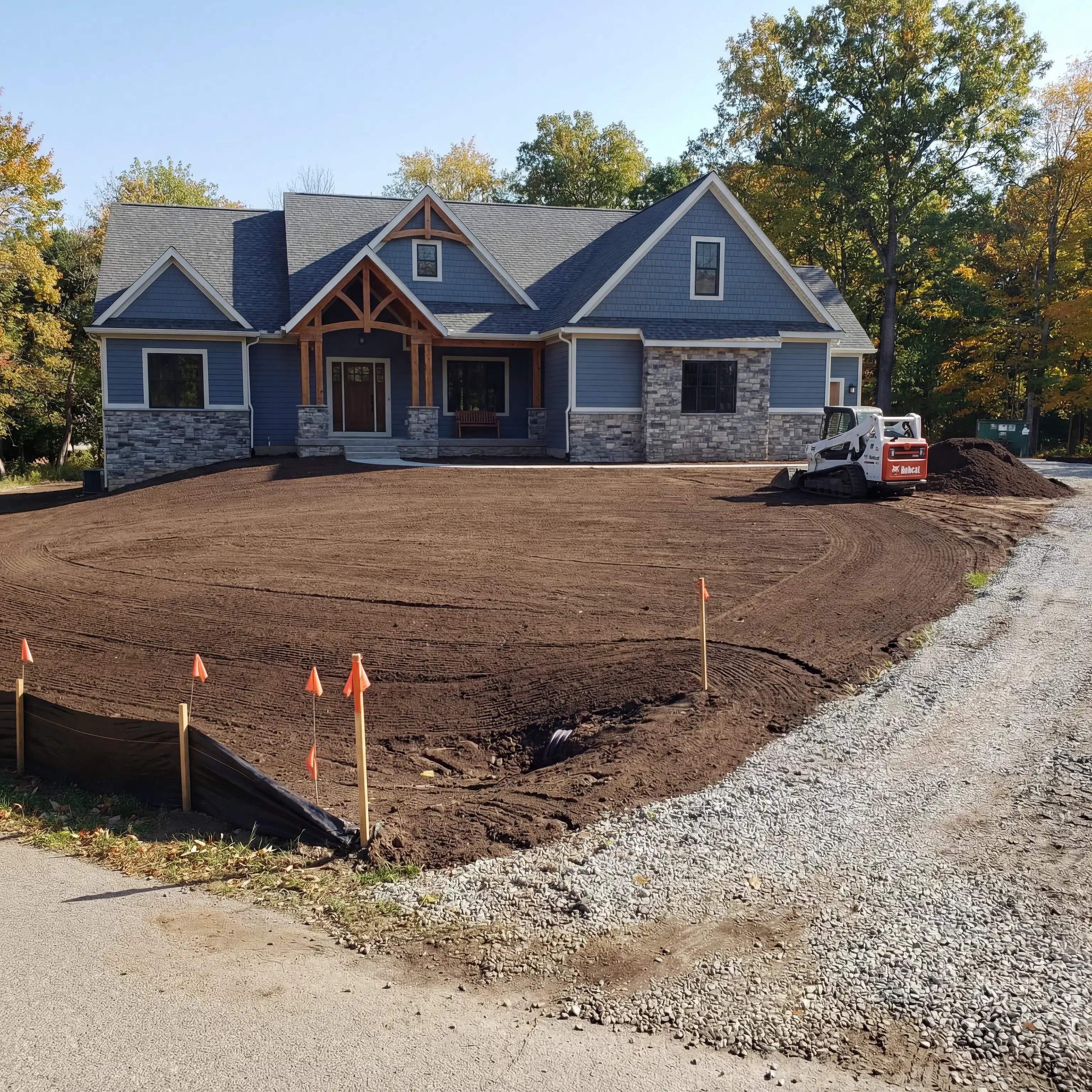
What is a Subgrade and Why Does it Matter?
The subgrade is the native soil that remains after excavating the topsoil to make room for your new concrete. This soil must act as a stable, unyielding foundation. If the subgrade is soft, uneven, or prone to holding water, the concrete on top will eventually bend and break under pressure.
Understanding subgrade compaction requirements for concrete slabs is essential. The soil must be mechanically compacted using heavy equipment like plate compactors or vibratory rollers. This process squeezes out air pockets and tightly binds the soil particles together, creating a dense, load-bearing surface. Without this crucial step, the natural settling of the earth will cause the heavy concrete above to shift.
When homeowners ask us how to avoid poor workmanship from a general contractor, we always point to this unseen layer. A reputable contractor will never rush this step, as understanding how site grading prevents concrete driveway settling is the hallmark of a professional who builds things to last. If you are considering a new installation, exploring quality concrete services means looking for a team that prioritizes the dirt work just as much as the pour.
The Essential Role of the Subbase and Drainage
Once the subgrade is perfectly leveled and compacted, we don't just pour concrete directly onto the dirt. A subbase layer, typically consisting of crushed stone or gravel, is added on top of the soil. This layer serves two major purposes: it distributes the load of the concrete evenly across the subgrade, and it provides vital drainage.
The standard crushed stone base depth for concrete flatwork usually ranges from four to six inches, depending on the anticipated load. A standard residential patio might require less base than a driveway designed to hold heavy vehicles. This stone layer acts as a capillary break, preventing moisture in the soil from wicking up into the porous concrete, which is especially important during our freeze-thaw cycles that can cause unprotected concrete to heave and crack.
Equally important is the contouring of the land itself. Achieving the proper drainage slope under concrete patios and driveways ensures that rainwater flows away from your home's foundation and the concrete slab. Water pooling beneath a slab will eventually erode the subgrade, creating a void that leads to a collapsed surface. Professional grading services are necessary to carefully map and sculpt the earth so that gravity naturally manages water runoff safely and effectively.
Transparency, Estimates, and Protecting Your Investment
We often hear from homeowners who are frustrated by vague estimates and hidden costs when trying to hire a general contractor. Construction projects can be disruptive, and fluctuating material costs often make budgeting stressful. That is why transparency at the bidding phase is so critical.
When reviewing a contract for your concrete project, the details of the site preparation must be clearly outlined in writing. A professional agreement should specify the depth of the excavation, the type and depth of the crushed stone base, and the methods used for compaction. It should also verify that the contractor holds the appropriate licenses and insurance coverage. If an estimate seems too good to be true, it is often because the contractor plans to cut corners on the subgrade preparation, leaving you to foot the bill for repairs a few years down the road.
Clear communication and detailed project mapping help eliminate the guesswork. By knowing exactly what goes into the ground before the concrete truck ever arrives, you can feel confident that your project is being handled with integrity and expertise.
Building a Solid Future
The longevity of any structure is dictated by the strength of its foundation. Whether you are replacing a cracked driveway or installing a beautiful new patio for family gatherings, proper subgrade preparation and expert grading are non-negotiable steps for a successful build.
At Bri-Co Construction, we pride ourselves on doing the hard, hidden work correctly the first time. We want you to enjoy your outdoor living spaces and functional driveways without worrying about sinking slabs or pooling water. If you are in the St. Peters area and are ready to discuss your next outdoor project, contact us today. Let's start with a solid foundation and build something meant to last.