
How Proper Drainage Prevents Retaining Wall Failure
If you have a sloped yard, dealing with soil erosion and runoff is likely a familiar battle. When heavy seasonal rains sweep through Florissant, poorly managed water can easily wreak havoc on your landscaping and even threaten your home's foundation. A well-constructed retaining wall is often the perfect solution to hold back soil, create usable flat space, and protect your property. However, many homeowners are surprised to learn that the actual earth behind the wall isn't what typically causes it to collapse. The real culprit is water.
Without a clear path to escape, water pools behind the wall, adding immense weight and pressure to the structure. Over time, this pressure compromises the integrity of the materials, leading to unsightly leaning, severe cracking, and eventual total collapse. Understanding how proper drainage mechanics work is the key to ensuring your investment lasts for decades rather than just a few seasons.
The Hidden Danger of Hydrostatic Pressure
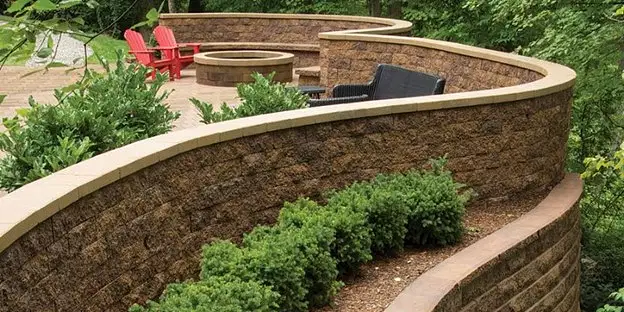
When we build structures to hold back earth, we are also dealing with the natural moisture that earth absorbs. Missouri is known for its dense, clay-heavy soils which are notorious for retaining water rather than letting it drain away. When the soil behind your wall becomes saturated, it creates a phenomenon known as hydrostatic pressure. Water is incredibly heavy, and when it has nowhere to go, it pushes outward against the back of your wall with thousands of pounds of force.
Being able to spot hydrostatic pressure retaining wall failure signs early can save you from a major landscaping disaster. You might notice the face of the wall starting to bow outward in the center, or perhaps the top courses of blocks or timbers are beginning to lean aggressively toward your yard. You may also see persistent damp spots on the face of the wall long after a rainstorm has passed. Unfortunately, fixing wall bulging caused by trapped water is rarely a simple patch job. It usually requires excavating the soil behind the structure, correcting the drainage issue, and partially or fully rebuilding the compromised section.
Engineering the Right Drainage System
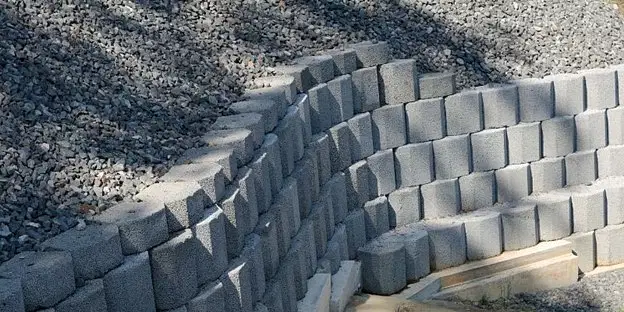
To prevent water from taking down your landscaping features, a proactive approach to water management is essential. Building a durable structure requires implementing proven structural drainage solutions for block retaining walls right from the first day of excavation. It is never just about stacking heavy stones; it is about engineering a clear, unobstructed path for ground moisture to exit safely.
This process almost always involves proper gravel backfill and weep hole installation. Instead of pushing dense dirt directly against the back of the newly built wall, we leave a strategic gap. This gap is filled with clean, crushed gravel that allows water to trickle down quickly rather than soaking into the dirt. At the bottom of this gravel column, a perforated drain pipe is installed to catch the descending water and channel it away from the structure. Additionally, weep holes are integrated into the lower sections of the wall face, allowing any excess water to weep out harmlessly onto the lower grade. During this intensive excavation phase, we also carefully map out utilities and are highly mindful of neighborhood guidelines, such as your property's MSD lateral lines, to ensure all digging is safe and fully compliant.
Balancing Safety, Compliance, and Curb Appeal
One of the most common questions we hear from homeowners in North County is how to handle steep yard erosion while ensuring the backyard remains a safe, attractive place for kids and pets to play. A retaining wall shouldn't look like an industrial barricade; it should look like a natural extension of your home's architecture. By managing the drainage correctly below ground, we have the freedom to design beautiful, terraced landscapes above ground that add immense curb appeal and usable square footage to your property.
Furthermore, undertaking this kind of structural work often requires navigating local municipal building codes. Whether you need an engineering plan to manage runoff properly or you are worried about the specific permit requirements for your neighborhood, partnering with an experienced team removes the guesswork. We handle the strict building codes, the heavy lifting, and the detailed grading services needed to pitch the surrounding lawn away from the new wall. We also pride ourselves on highly detailed, line-item estimates so you know exactly what goes into the drainage engineering, with no hidden fees or surprise change orders mid-project.
Protect Your Property with Expert Craftsmanship
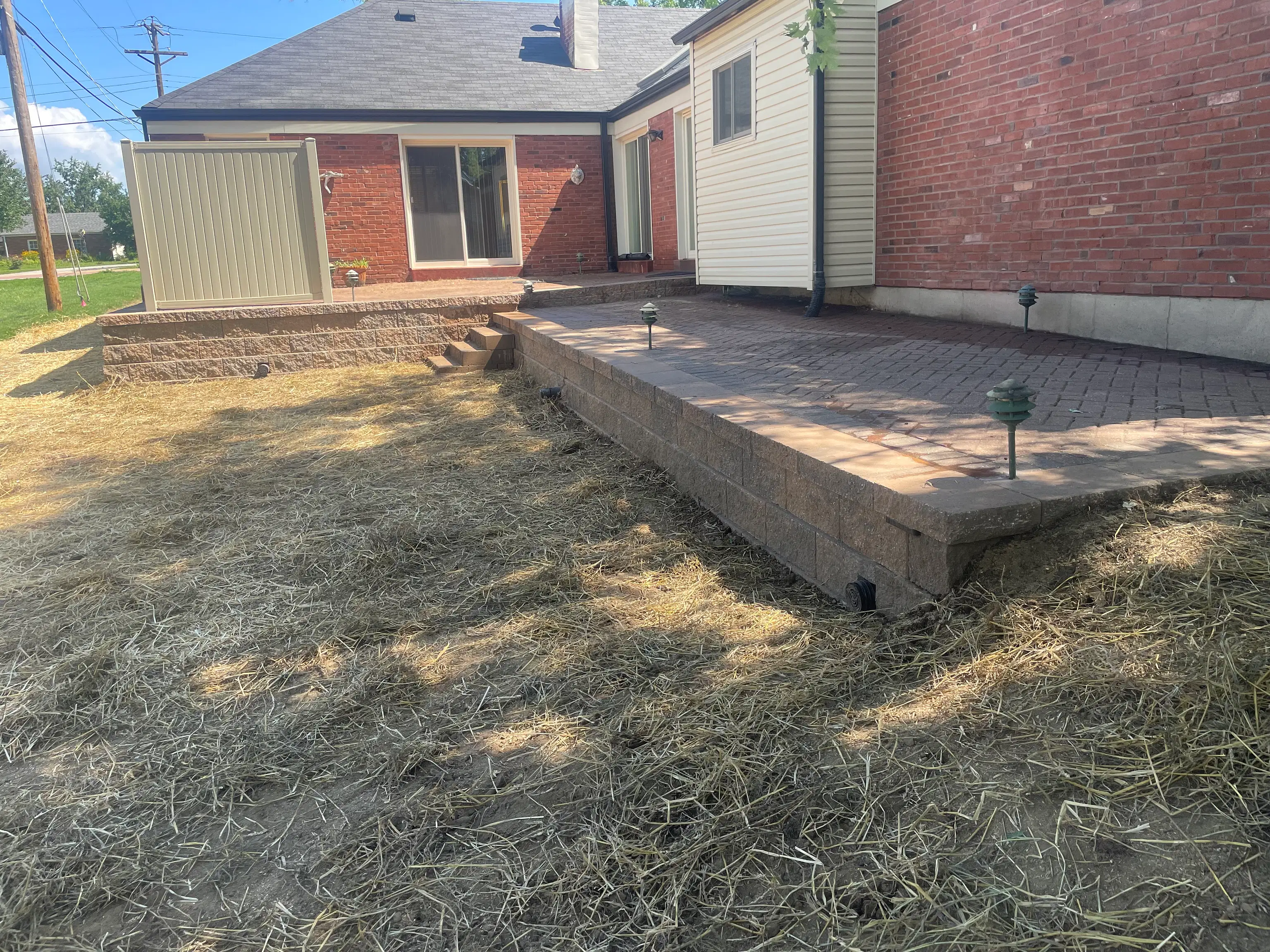
Dealing with a failing slope or a crumbling landscape border is stressful, but the solution doesn't have to be. By prioritizing underground water management just as much as the visible masonry, you can transform a muddy, unusable slope into the highlight of your property. Proper drainage is the invisible shield that protects your investment from the harsh extremes of local weather patterns.
If you are noticing signs of erosion, pooling water, or bowing blocks in your yard, it's time to bring in the professionals. Explore our comprehensive retaining walls solutions to see how we can stabilize and beautify your landscape. When you are ready to secure your property with craftsmanship you can trust, contact Bri-Co Construction for a detailed consultation in Florissant. We'll help you build a landscape that stands strong, no matter what the forecast brings.